Oral health affects how people feel about themselves, and confidence is often tied to a healthy smile. A Cigna study found that people who report "excellent" oral health also report higher self-confidence than those who rate their oral health as fair to poor. This research helps show why restoring function and appearance matters to many patients.
This page outlines the role of grafting in modern dentoalveolar care, explaining when it's necessary and how the healing process typically unfolds. It also highlights the comprehensive oral and maxillofacial approach at TERSA Oral and Facial Surgery, serving Lutz and the greater Tampa Bay area, where dentoalveolar procedures are a key focus.
What Is Bone Grafting In Dentoalveolar Surgery?
Dentoalveolar surgery focuses on the teeth and the bone and gum tissues that hold them in place. It includes procedures that protect or rebuild dentoalveolar structures when they are injured, infected, or missing.
Bone grafting is a way to add support where bone is weak or lost. In simple terms, a graft acts like a framework that helps your body grow new bone in the right shape.
A bone graft is not a fake bone replacement that stays unchanged forever. It is more like a guide for healing. Over time, your body can replace much of that material with your own living bone.
Dentoalveolar surgery includes procedures involving teeth and their supporting structures. These surgeries center on the tooth-bearing parts of the jaw. Types of dentoalveolar surgery may include:
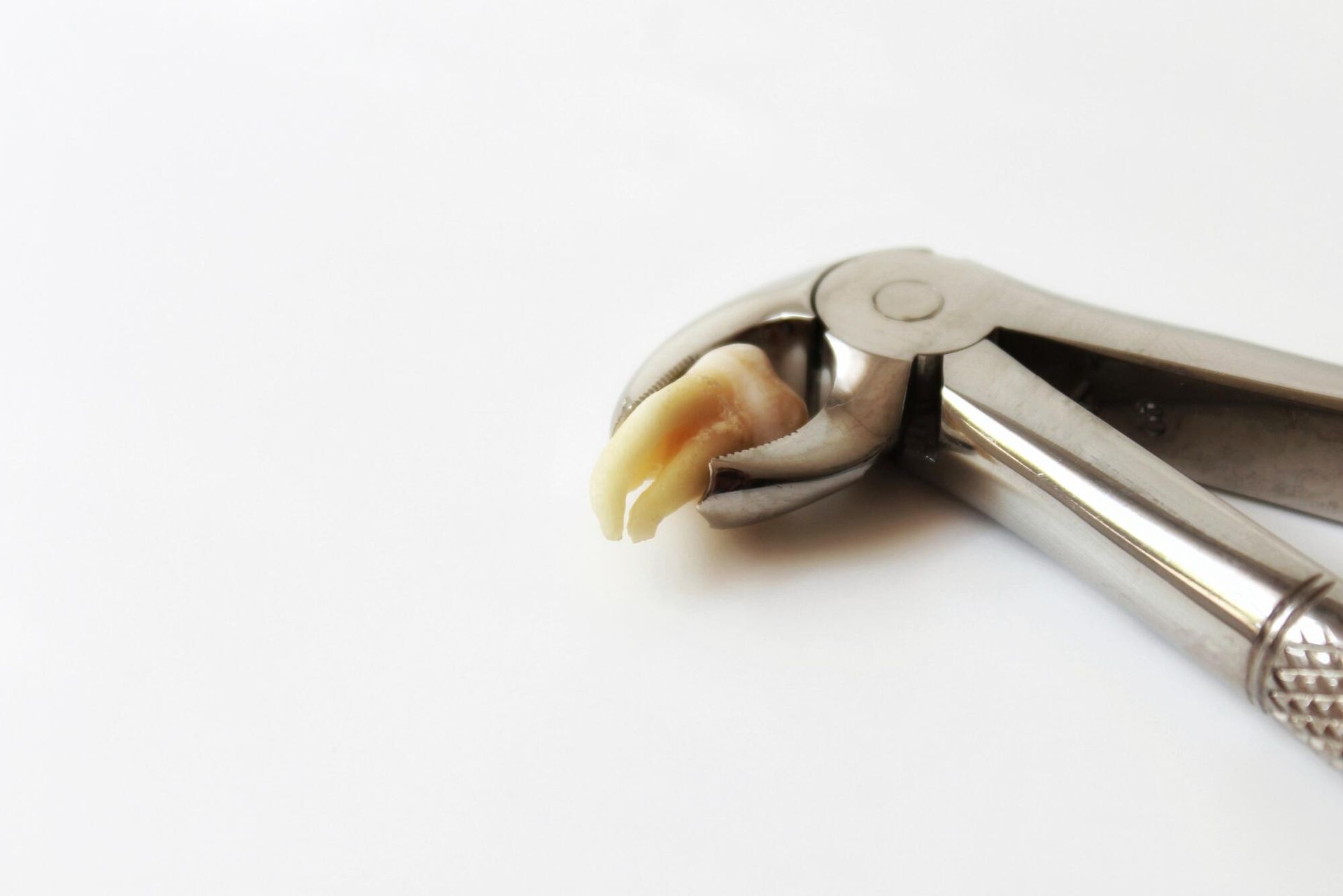
- Tooth extractions, including impacted or damaged teeth
- Surgical management of dentoalveolar infection
- Preparation of the jaw for dental implant placement
- Bone grafting to rebuild the weakened or missing jawbone
- Treatment following dental or facial trauma
- Dentoalveolar ablation to remove diseased bone or tissue
Bone grafting supports dentoalveolar surgery by rebuilding the jawbone when it is too thin, too soft, or too damaged to heal well on its own. It creates a stronger base for teeth, implants, and healthy gum support. It can also help stabilize areas affected by injury, infection, or long-term bone loss.
Why Would Someone Need A Bone Graft?
You may need grafting when bone loss makes the jaw less stable. Bone can shrink after tooth loss because the jaw no longer gets the pressure and signals it needs to stay strong.
Bone can also be damaged by trauma or a long-standing dentoalveolar infection. In those cases, the goal is to remove unhealthy tissue and rebuild support so the area can function again.
Bone loss is common after a tooth is removed, even when healing feels normal. The change may be slow, so people do not notice it at first. Over months or years, it can affect bite, spacing, and future treatment options.
Some patients need grafting before implants. A dental bone graft is commonly placed when bone loss could affect oral health or implant success.
What Happens During A Bone Grafting Procedure?
The surgeon first plans the graft area and checks nearby anatomy. Imaging helps show bone height, bone width, and where nerves and sinus spaces are located.
The site is then prepared so the graft can sit in close contact with healthy bone. This contact matters because healing depends on blood supply and stable placement.
The procedure starts with a small incision in the gum. The grafting material is placed where it's needed, then secured and covered. Over the next few months, your natural bone fuses with the graft. This process is called "osseointegration."
The procedure is often done with local anesthesia or sedation for comfort. TERSA Oral & Facial Surgery offers options like guided surgery and sedation to make the experience easier for patients.
Types Of Bone Grafts Used In Oral Surgery
Bone grafts are grouped by the source of the material. Each type has a different role, and the best choice depends on the patient, the goal, and the size of the defect.
Some types are taken from your own body, while others come from donor sources or are made from synthetic materials.
Graft types include:
- Autografts - bone from another part of the patient's body
- Isografts - bone from a twin
- Allografts - bone from another person
- Xenografts - bone from an animal
- Synthetic substitutes - man-made materials such as ceramics
There is no single "best" graft for every case. The right choice is the one that matches your anatomy and your long-term plan.
How Bone Supports Dentoalveolar Structures
Dentoalveolar structures include tooth sockets, bone around the roots, and the jaw ridge that holds teeth in place.
When this support is healthy, chewing forces spread evenly and protect both teeth and the surrounding tissue.
When bone support weakens, teeth can shift, and pressure can build in small areas. This raises the risk of fractures, gum recession, and ongoing discomfort.
Bone also plays a role in facial balance. Changes in the jaw ridge can affect the area beneath the lips and alter lower facial shape, which is why treatment often considers both function and appearance.
Support For Dental Implants
Dental implants rely on stable bone because they function like artificial tooth roots. If the ridge lacks enough width or height, the implant may not remain secure.
Bone grafting can rebuild lost structure so implants can be placed in a safer position with better stability.
Preserving Bone After Tooth Removal
After a tooth is removed, the empty socket naturally begins to shrink during healing. This bone loss can limit future restoration options.
Placing a graft at the time of removal helps preserve ridge shape and protects the area for implants or bridges later.
Repair After Infection Or Tissue Removal
A dentoalveolar infection can weaken bone around teeth or within a socket. Treatment focuses on clearing the infection and restoring a clean foundation for healing.
Dentoalveolar ablation may be used to remove damaged or diseased tissue. When this leaves an uneven bone, grafting can help rebuild a smoother, stronger jaw base.
In more complex cases, care planning may also consider facial balance alongside oral function. Patients exploring these broader goals can learn more about facial surgery options offered.
Healing After Bone Grafting
Healing happens in stages. Early healing focuses on gum closure and basic stability, while deeper healing focuses on bone remodeling over time.
Swelling and soreness are common for a short period. Following care instructions helps protect the graft while the body builds new bone.
Many grafts need several months to heal before the area is ready for the next step. This timeline depends on:
- Graft type
- Site size
- Overall health factors
Frequently Asked Questions
How Do I Know If I Have Enough Bone For An Implant?
You cannot tell just by looking in the mirror. Bone level can look fine from the outside while still being thin under the gum. A scan or detailed X-ray is the normal way to measure bone height and width.
A surgeon can explain whether grafting is needed to place an implant in a safe position.
How Do Grafts Support Cosmetic Results?
Bone grafts do more than support function. They also restore the natural shape of the face and jaw. When bone shrinks or collapses, it can lead to a sunken appearance. Grafting helps preserve facial structure for a fuller, healthier look.
That's especially important for patients undergoing facial implant procedures, like chin or jaw implants, where the bone underneath supports the final aesthetic outcome.
Do Dermal Fillers Replace Bone Loss?
Dermal fillers do not replace bone or support teeth. They add temporary volume to soft tissue and are used for cosmetic contouring.
What Does A Brow Lift Change?
A brow lift repositions tissue in the upper face to improve symmetry and reduce heaviness above the eyes. It does not change jaw structure or dental support.
What Does A Facelift Treat?
A facelift tightens skin and deeper facial layers affected by aging. It does not restore jawbone or treat dentoalveolar conditions.
When Is Eyelid Surgery Considered Part Of Facial Care Planning?
Eyelid surgery is usually considered when excess skin affects vision, comfort, or facial balance. It focuses on the upper or lower eyelids and does not involve teeth or dentoalveolar structures.
Do Patients Ask About Botox During Oral Surgery Planning?
Patients often ask about Botox because it is commonly discussed in facial care, even though it is not part of bone grafting or dentoalveolar surgery. Botox treatment works on muscle activity and surface appearance rather than teeth or jaw structure.
What Does Facial Scar Treatment Address?
Facial scar treatment focuses on improving visible skin scars, while oral surgery healing usually happens inside the mouth. These treatments serve different purposes.
What Makes TERSA's Approach to Bone Grafting Different?
TERSA Oral and Facial Surgery combines cutting-edge tools like 3D imaging and digital planning with a deep understanding of dentoalveolar health. This leads to fewer appointments, faster healing, and better outcomes.
Dr. Guerra-Andrade has extensive experience with complex bone reconstruction cases. His personalized care plans help patients feel confident and informed from start to finish. Learn more about how we approach cosmetic procedures with comfort and clarity.
Expert Bone Grafting With Full-Person Care
At TERSA Oral and Facial Surgery, we rebuild confidence, support healing, and restore strength from the inside out. Our team uses the latest tools and techniques for advanced results with minimal discomfort.
Whether you're preparing for an implant or restoring lost volume, our approach focuses on lasting health. Trust your care to a board-certified oral surgeon who specializes in dentoalveolar reconstruction. To begin your personalized treatment plan, request an appointment today.