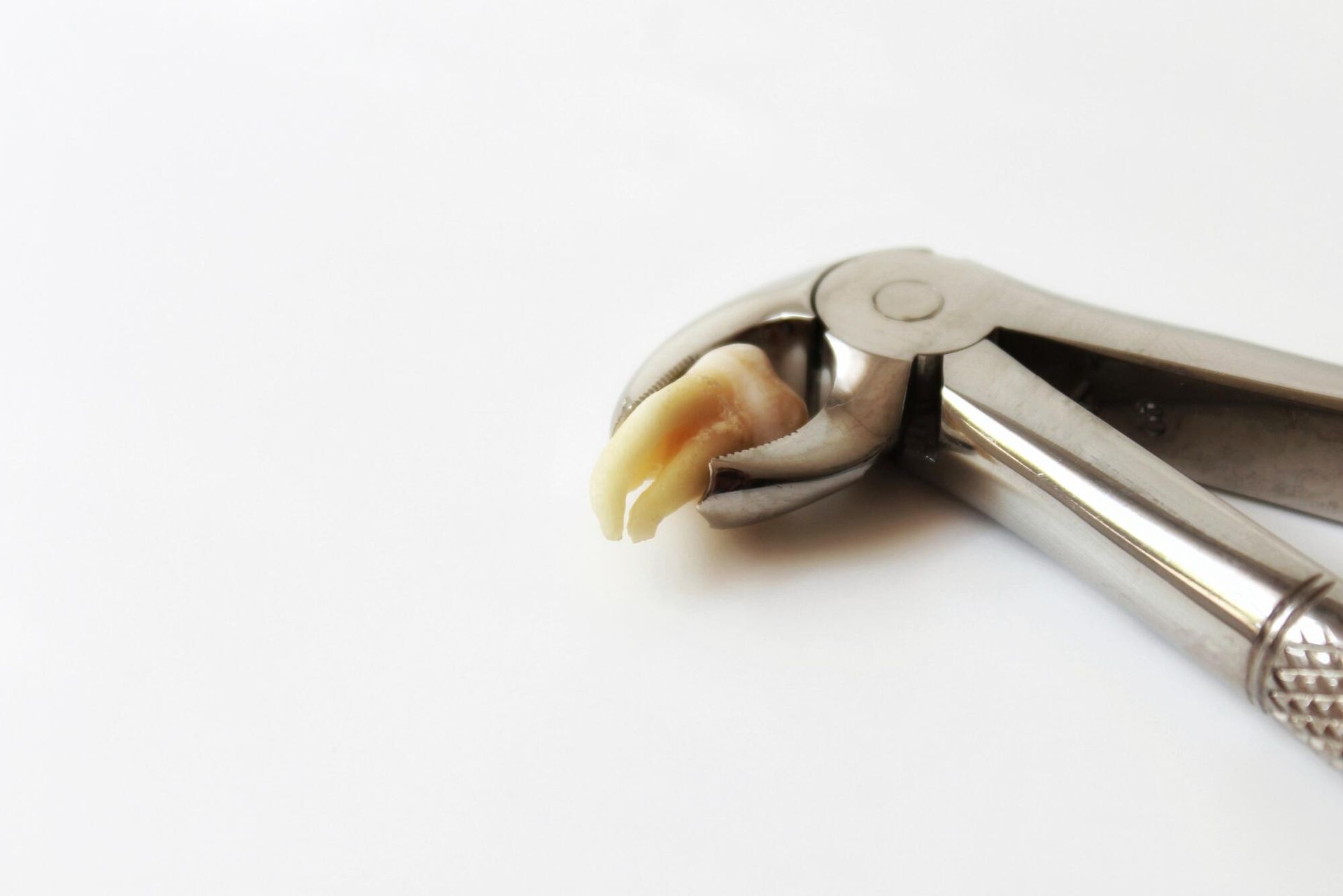
Wisdom tooth removal cost in Tampa, FL, can vary widely depending on the complexity of the extraction, though insurance and financing options often lower the final out-of-pocket expense. The real key is understanding what drives the price, from impacted teeth to sedation, so you can plan your budget before the procedure is scheduled.
About 29% of Americans who turned 20 in 2016 still had their wisdom teeth, which highlights how common and often delayed this procedure can be. In a city like Tampa, where pricing, providers, and treatment approaches vary, understanding how insurance works and what financing options are available can turn an uncertain expense into a clear, manageable plan.
What Does Wisdom Teeth Removal Typically Cost?
Wisdom teeth removal in Tampa does not come with a flat price. Costs vary based on the case's complexity, the type of sedation used, and the number of teeth to be removed. A straightforward extraction is usually less expensive, while impacted teeth that require surgical access and more time tend to raise the total.
Local factors also play a role. Clinics in busy areas of Tampa often reflect higher operating costs, which can influence pricing. On top of that, some providers bundle services, while others separate them so that the final bill can look different from one office to the next.
A typical estimate may include several components:
- Initial consultation and exam
- X-rays or digital imaging
- Extraction based on complexity
- Sedation or anesthesia fees
- Follow-up care and checkups
The best way to understand your cost is to request a detailed breakdown before scheduling. That clarity helps you compare options, plan your budget, and avoid unexpected charges once treatment begins.
Dental Insurance Options
Dental insurance can take a noticeable chunk out of the cost of wisdom tooth removal, though coverage is rarely full.
Most plans classify extractions as a major service, which means you are responsible for a portion after deductibles and annual limits are applied. The exact amount depends on your provider and the structure of your policy.
Coverage often improves when the removal is considered medically necessary. Impacted teeth, infection risk, or pressure on nearby teeth can strengthen that case. Without those factors, some plans may cover less or apply stricter limits.
Before scheduling, it helps to look closely at how your plan works:
- Annual maximums that cap how much is paid
- Waiting periods for major procedures
- Percentage of coverage for extractions
- In network versus out-of-network differences
Budgeting For Wisdom Teeth Removal
Planning makes wisdom teeth removal far easier to manage. Costs can shift depending on complexity, so a clear budget helps you stay in control rather than reacting to unexpected charges.
Start by looking beyond the procedure itself. Recovery can also bring added expenses, especially if you need medications, supplies, or time off work.
A well-planned budget usually accounts for:
- Consultation and diagnostic imaging
- Procedure based on complexity
- Sedation or anesthesia fees
- Prescriptions and recovery supplies
- Follow-up visits and aftercare
It also helps to leave a small cushion for anything unplanned. Even routine cases can need extra attention during recovery.
Questions To Ask Your Dentist Before Wisdom Teeth Extraction
The details that matter most are often the ones patients forget to ask. A focused conversation before booking can uncover timing issues, recovery expectations, and small factors that influence both comfort and cost.
Ask how long the procedure is expected to take and what recovery will realistically look like in your case.
Understanding:
- Downtime
- Dietary limits
- When you can return to normal routines
- Pain management expectations
- Swelling and healing timeline
Helps you plan around work or school. It is also smart to ask who will be performing the procedure and what level of experience they have with similar cases.
Clarify logistics as well. Find out whether you will need someone to drive you home, how prescriptions will be handled, and what support is available after the procedure if concerns arise. Knowing how the office manages post-procedure questions or urgent follow-ups can make recovery feel far less stressful.
Choosing The Right Dentist
Price matters, but it should not drive the entire decision. The right dentist or oral surgeon can influence how smoothly the procedure goes, how comfortable you feel, and how quickly you recover. A slightly higher upfront cost can often mean fewer complications and better overall care.
Experience is one of the first things to look at. Providers who handle wisdom teeth removal regularly tend to work more efficiently and anticipate challenges before they become problems. It is also worth paying attention to the technology used in the office, since modern imaging and surgical tools can improve accuracy and reduce recovery time.
Reputation adds another layer of confidence. Patient reviews and before-and-after experiences can give insight into how the practice communicates and supports patients. Clear explanations, transparent pricing, and a willingness to answer questions usually signal a well-run office.
Comfort should not be overlooked. Feeling at ease during consultations and knowing the team is responsive can make a noticeable difference on the day of surgery and throughout recovery. Choosing a provider who balances skill, communication, and reliability often leads to the best outcome both medically and financially.
Timing Your Wisdom Teeth Removal For Better Cost Control
When you schedule your procedure, it can influence how much you pay and how smoothly everything fits into your routine. Many people overlook timing, though it can make a noticeable difference.
Planning around insurance cycles is one of the simplest ways to reduce out-of-pocket expenses. Scheduling before benefits reset or spacing treatment across coverage periods can help you make better use of what your plan offers. It also helps to avoid last-minute bookings, which can limit your options and lead to higher costs if the situation becomes urgent.
Seasonal timing matters too. Choosing a period when you can rest without pressure from work, school, or travel allows for a smoother recovery. Rushing back into daily responsibilities too soon can lead to setbacks that require extra care.
Frequently Asked Questions
Can Complications Increase the Final Price After the Procedure?
Complications can increase the final price after the procedure. While most wisdom teeth removals go as planned, unexpected issues during recovery can lead to additional visits, treatments, or medications.
Common situations that may raise costs include infection, dry socket, delayed healing, or irritation around the surgical site. These often require follow-up care, prescription treatments, or extra monitoring to resolve properly.
More complex complications, such as nerve sensitivity or damage to nearby teeth, may involve specialized care, which adds to the total expense.
Is Preventive Removal More Cost-Effective in the Long Run?
Preventive removal can be more cost-effective over time because it reduces the risk of complications that are harder and more expensive to treat later.
When wisdom teeth are removed early, the procedure is often simpler, recovery is smoother, and there is a lower risk of complications such as infection or gum disease. Those problems can lead to additional treatments, which quickly increase overall costs.
That said, not everyone needs preventative removal. If the teeth are healthy, fully erupted, and easy to clean, monitoring may be a reasonable option. The best approach depends on the teeth's position and the likelihood of future problems.
Can You Split Wisdom Teeth Removal Into Multiple Appointments To Save Money?
Splitting wisdom tooth removal into multiple appointments is possible, though it does not always lower the cost of oral surgery. Some patients choose this route to spread out payments and make the expense feel more manageable over time.
The trade-off is that each visit may incur its own set of fees, including sedation, facility use, and follow-up care. Those recurring costs can add up, so removing all teeth in one session is often more cost-effective overall.
This approach tends to make the most sense when budgeting is tight or when insurance benefits can be used across different periods. A quick comparison of both options with your provider will give you a clearer sense of what works best financially and medically.
How Do You Decide if Removal Is Urgent or Optional?
It comes down to symptoms and risk. Removal is urgent when symptoms indicate worsening. If nothing hurts, but the teeth are growing in poorly or crowding the jaw, it is usually optional and can be planned.
Dentists typically look at:
- Ongoing pain or swelling
- Signs of infection
- Tooth position on X-rays
- Risk of future problems
If symptoms are active, do not wait. If not, you often have time to schedule it on your terms.
Wisdom Teeth Removal Cost
Many factors can affect the cost of wisdom tooth removal. Now that you know what goes into it, you can start planning.
Planning for wisdom teeth removal costs is easier when you have a team that explains every step clearly and offers real options to fit your budget. At TERSA Oral and Facial Surgery, patients across the Tampa Bay area receive detailed cost breakdowns, insurance guidance, and flexible financing through programs like Cherry with no hard credit checks and potential 0% APR plans.
Dr. Andrés Guerra brings more than a decade of surgical and anesthesiology experience, pairing advanced technologies such as cone beam CT imaging with a patient-first approach that focuses on comfort and long-term results. That includes narcotic-free pain management options designed to reduce risk while still delivering strong relief after surgery.